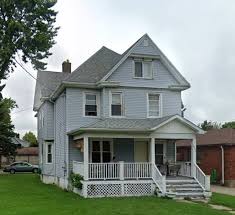
What is sober living in New York?
Sober living homes in New York provide structured, supportive environments for individuals transitioning from inpatient rehabilitation to independent living. These residences are designed to foster accountability, personal growth, and sustained sober living new york while offering a community of peers with similar recovery goals.
How do sober living homes support recovery?
Statistics indicate that individuals who reside in sober living environments after rehab are significantly more likely to maintain long-term sobriety. Structured routines, regular house meetings, curfews, and mandatory participation in recovery programs create a framework that encourages consistent, healthy habits. In addition, these homes often provide access to counseling, job placement assistance, and life skills training.
Are sober living homes safe?
Safety is a top priority in sober living residences. Homes implement strict policies regarding substance use, visitors, and overall behavior. Residents are typically required to undergo regular drug and alcohol testing to ensure a drug-free environment. According to recent studies, communities with high adherence to these policies report lower relapse rates and higher satisfaction among residents.
What types of programs are available in New York?
Sober living in New York encompasses a variety of programs tailored to individual needs. Some homes focus on early recovery for individuals just leaving inpatient care, while others offer long-term support for those seeking extended guidance. Many programs also cater to specific demographics, including men, women, and young adults, providing gender-specific or age-appropriate support networks.
How does living in a sober community improve recovery outcomes?
Research shows that social support is a key determinant of recovery success. Living in a community of peers who share similar challenges reduces feelings of isolation and provides ongoing motivation. Residents often engage in group activities, accountability partnerships, and peer mentorship, which strengthen coping skills and resilience against triggers.
What should individuals consider when choosing a sober living home?
Choosing the right sober living home involves evaluating several factors, including the house’s structure, staff experience, available programs, and community culture. Proximity to work, school, and support networks is also important. Homes that offer a balance of accountability, guidance, and personal freedom tend to produce the most positive outcomes.
Conclusion
Sober living in New York serves as a vital bridge between rehab and independent life. By providing a structured, supportive, and safe environment, these residences significantly enhance the chances of long-term recovery. With tailored programs and strong peer networks, individuals gain the skills and confidence necessary to sustain sobriety and rebuild their lives.