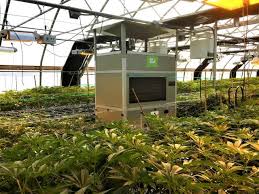
What are the most common mistakes in cannabis climate control?
Maintaining the right climate in a cannabis grow room is crucial for plant health and yield. One common mistake is improper temperature management. Many cultivators allow fluctuations that stress the Cannabis Climate Control plants, leading to slower growth or reduced potency. Another frequent error is mismanaging humidity levels. Too high humidity can encourage mold and mildew, while too low humidity can stunt growth and cause nutrient issues.
How does poor ventilation impact cannabis growth?
Inadequate air circulation is a widespread problem. Without proper ventilation, heat and humidity can build up, creating an environment conducive to pests and pathogens. Plants also rely on fresh CO2 for photosynthesis, so insufficient airflow can limit growth potential. Many growers underestimate the importance of fan placement and airflow patterns, resulting in microclimates that negatively affect some plants while others thrive.
Why is monitoring VPD (Vapor Pressure Deficit) important?
VPD is a critical factor in cannabis cultivation. It measures the difference between the amount of moisture in the air and how much moisture the plant can release. A common mistake is ignoring VPD values, which can lead to overwatering, nutrient deficiencies, or slowed growth. Maintaining the ideal VPD for each growth stage ensures that plants efficiently absorb water and nutrients, maximizing both yield and quality.
What role does lighting play in climate control?
Improper lighting schedules and heat from lights can interfere with climate management. Many growers neglect the fact that high-intensity lights increase temperature and can dry out plants. Overlooking the heat output of lights often forces ventilation systems to overcompensate, creating energy inefficiencies. Choosing the right light type and intensity, along with proper spacing, helps maintain a stable climate without straining HVAC systems.
How can technology help prevent mistakes?
Using climate control systems and sensors can minimize human error. Many mistakes occur because growers rely solely on manual observation. Automated systems can monitor temperature, humidity, and CO2 levels in real-time, providing alerts for any deviations. This ensures consistent environmental conditions, which is vital for healthy plant growth and high-quality yields.
What preventive measures can cultivators take?
Regular maintenance of HVAC and dehumidification systems is essential. Periodic calibration of sensors and checking for leaks or blockages ensures optimal performance. Additionally, understanding the specific environmental needs of different cannabis strains prevents generic climate settings from reducing plant potential. Implementing best practices in airflow, temperature, and humidity management is key to avoiding costly mistakes.
What is the takeaway for cannabis growers?
Avoiding common climate control errors requires knowledge, preparation, and monitoring. By controlling temperature, humidity, VPD, ventilation, and lighting, growers can create an ideal environment that maximizes growth and yield. Leveraging technology and performing routine maintenance reduces risks, ensuring a successful and sustainable cultivation process.