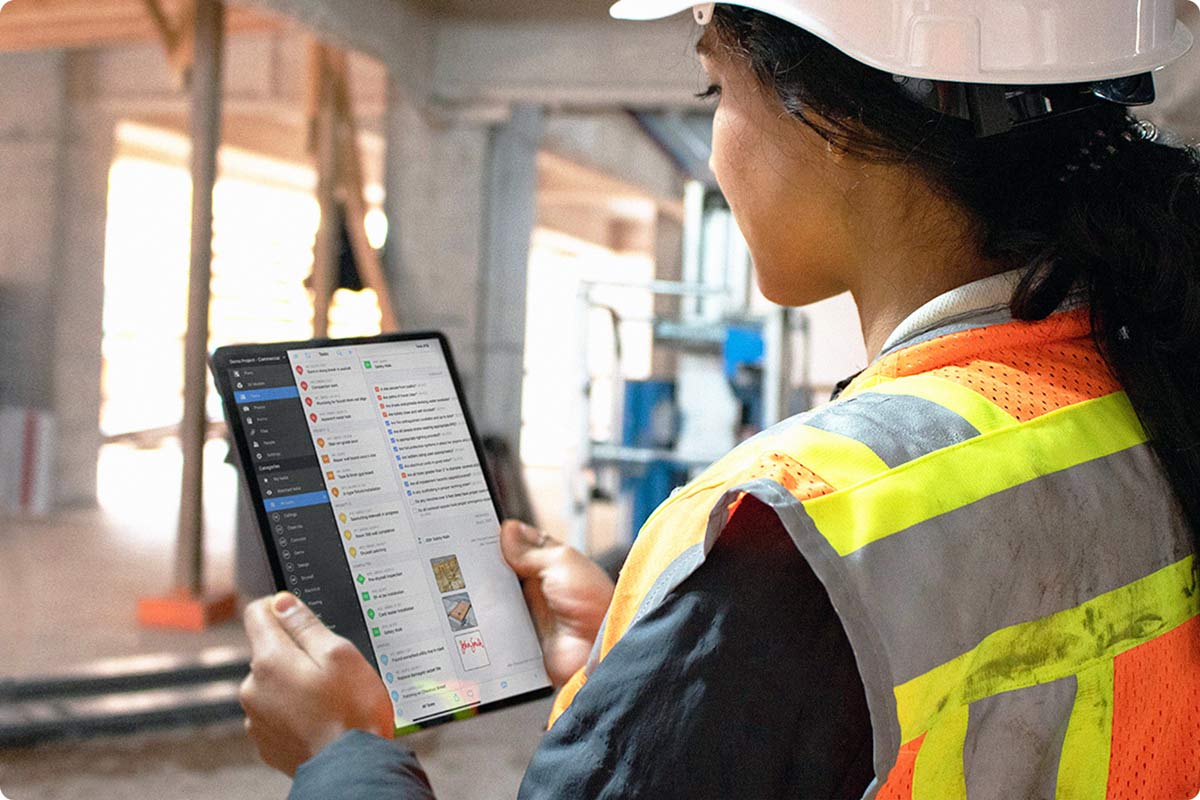
The construction industry stands at a crossroads. While traditional methods have built our cities and infrastructure for centuries, modern challenges demand smarter solutions. Construction management software has emerged as the game-changer that forward-thinking builders can’t afford to ignore.
Construction projects today face mounting pressures—tighter deadlines, stricter budgets, and complex regulatory requirements. Manual processes that once worked for smaller projects now create bottlenecks that cost time and money. Smart builders are turning to digital tools to stay competitive.
Statistics That Tell the Story
The numbers paint a clear picture of where the industry is heading:
85% of construction projects run over budget when managed without proper software systems
73% of construction companies report improved project delivery times after implementing management software
$1.6 trillion worth of construction projects globally use some form of digital management tools
42% reduction in paperwork occurs when construction teams switch to digital project management
67% of construction managers say software integration improved team communication
90% of top-performing construction companies now use cloud-based management platforms
These statistics reveal why construction management software isn’t just helpful—it’s becoming essential for survival in a competitive market.
Trending Features Builders Love
Modern construction management software offers capabilities that directly address real-world challenges:
Real-time project tracking allows managers to monitor progress instantly, preventing small delays from becoming major setbacks. Teams can update task completion on-site, giving everyone immediate visibility.
Budget management tools help contractors track expenses against projections, sending alerts when costs approach preset limits. This prevents the budget overruns that plague many projects.
Mobile accessibility means critical information travels with the team. Workers can access blueprints, update schedules, and communicate changes from anywhere on the job site.
Document management systems eliminate the chaos of paper trails. Permits, contracts, and change orders stay organized and accessible to authorized team members.
Resource scheduling features optimize equipment and labor allocation, reducing downtime and maximizing productivity across multiple projects.
What happens to small construction companies that don’t adopt management software?
Small companies risk falling behind as clients increasingly expect digital communication, real-time updates, and professional project documentation that software provides.
How long does it typically take to see results from construction management software?
Most companies report noticeable improvements within 60-90 days of implementation, with full benefits realized after completing 2-3 projects using the system.
Which type of construction management software works best for residential builders?
Cloud-based platforms with mobile capabilities work best for residential projects, offering flexibility without requiring extensive IT infrastructure.
Building Tomorrow Starts Today
The construction industry’s future belongs to builders who embrace technology. Management software isn’t just about keeping up—it’s about gaining the competitive edge that separates thriving companies from struggling ones. Smart builders are already making the switch.